Through the Laboratory Lens: Expertise in Planning, Oversight & Peer Review - Part One
Authored by Glenn Woodbury, AIA, NCARB, LEED AP
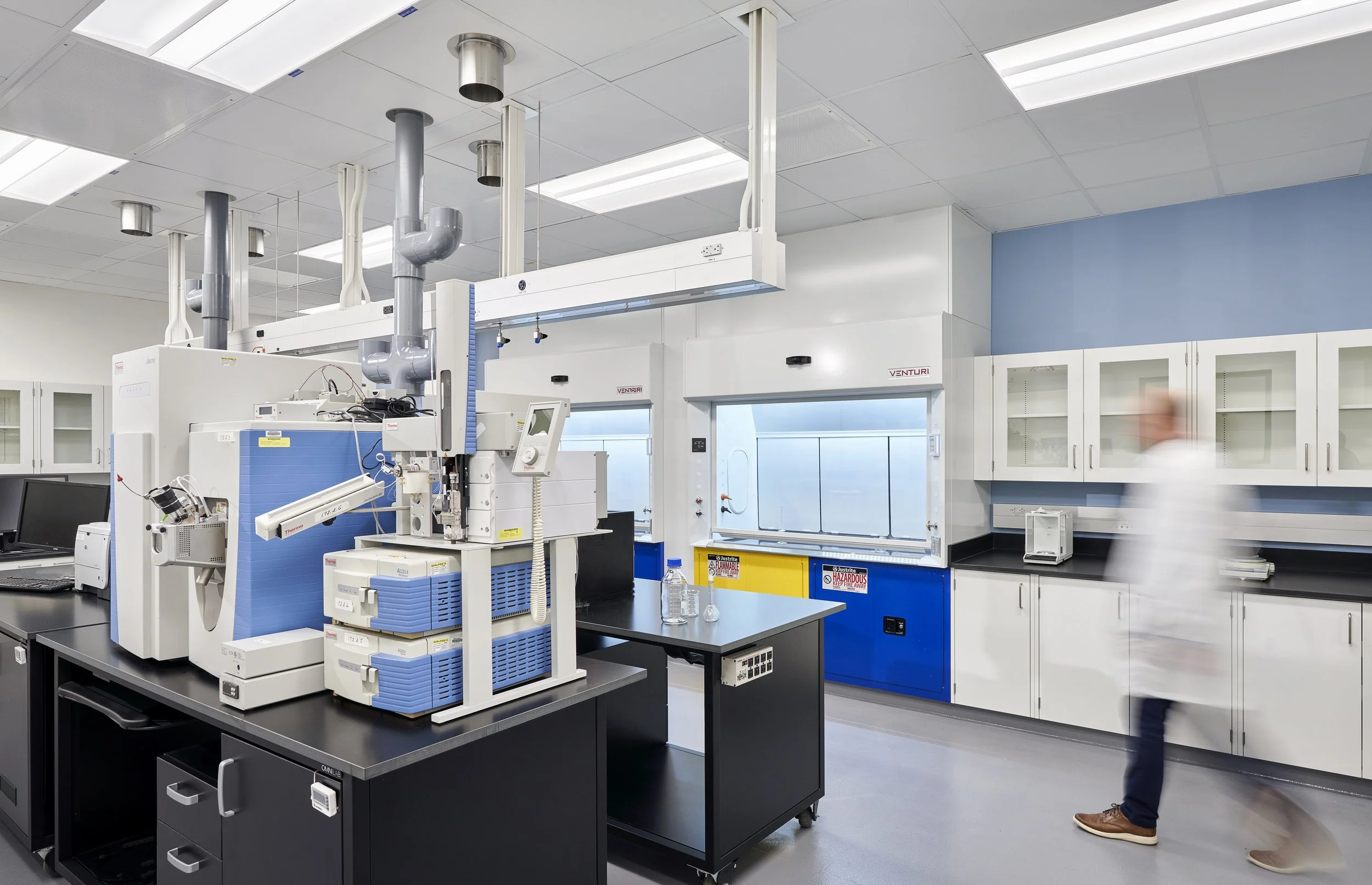
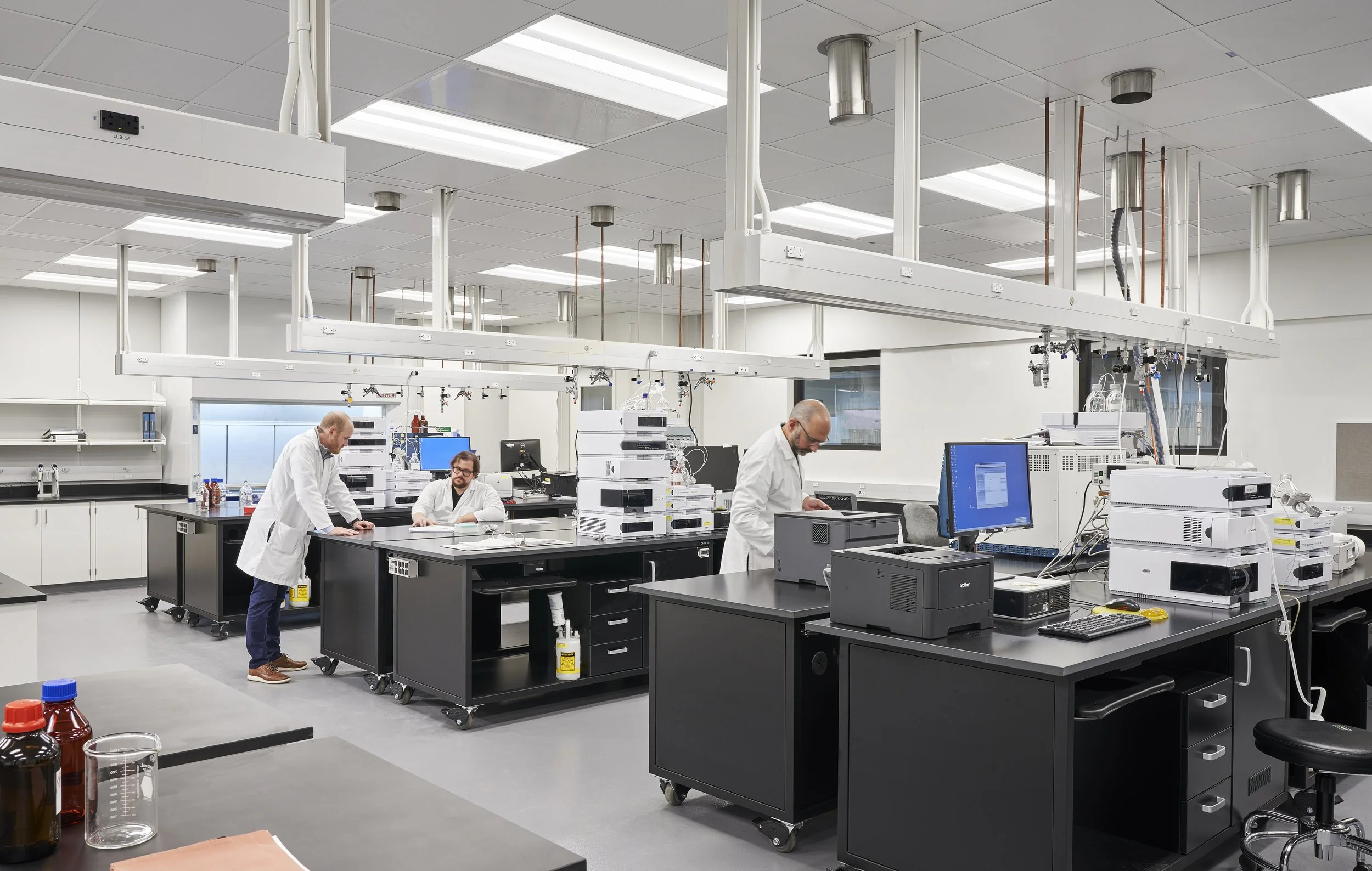
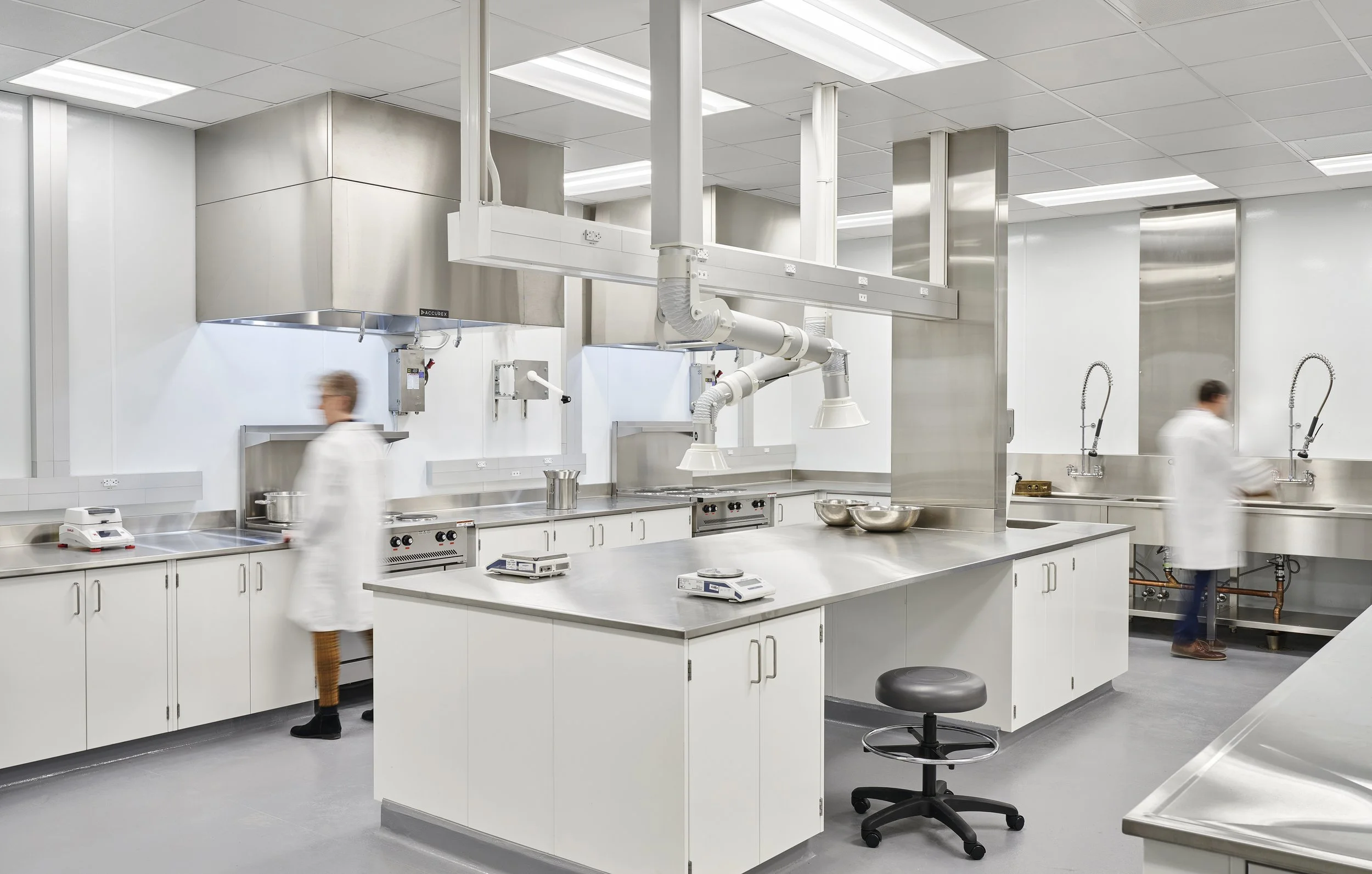
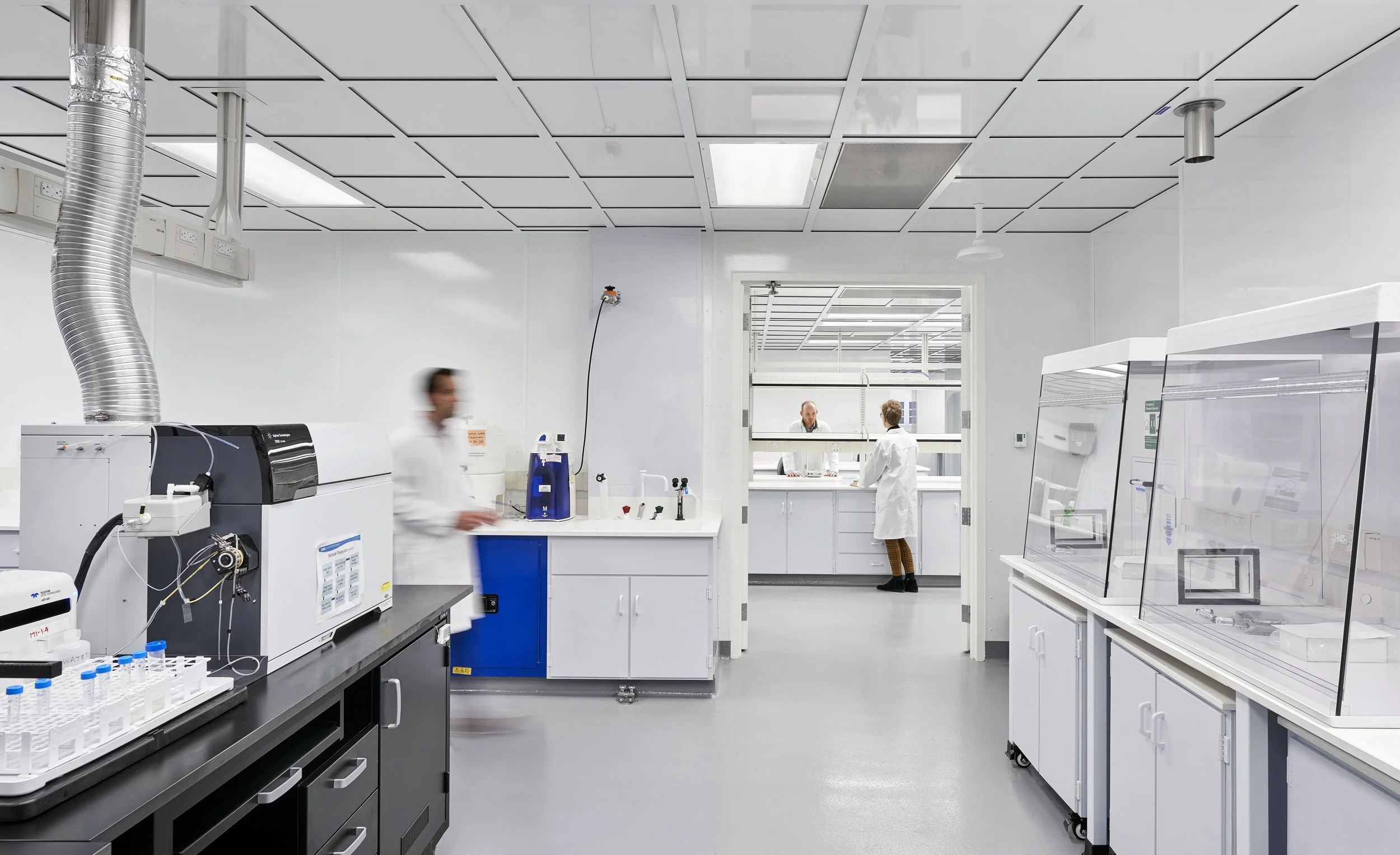
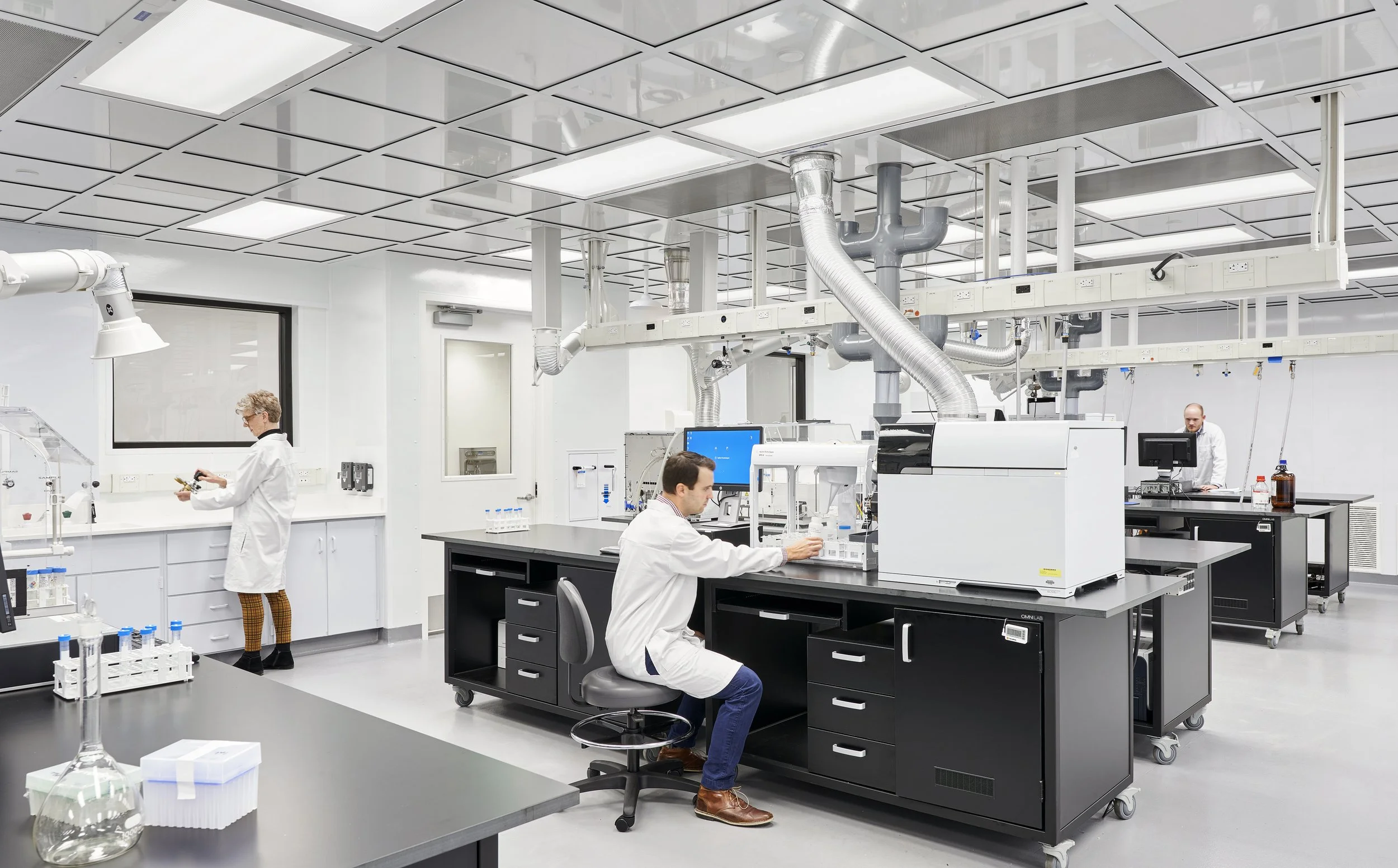
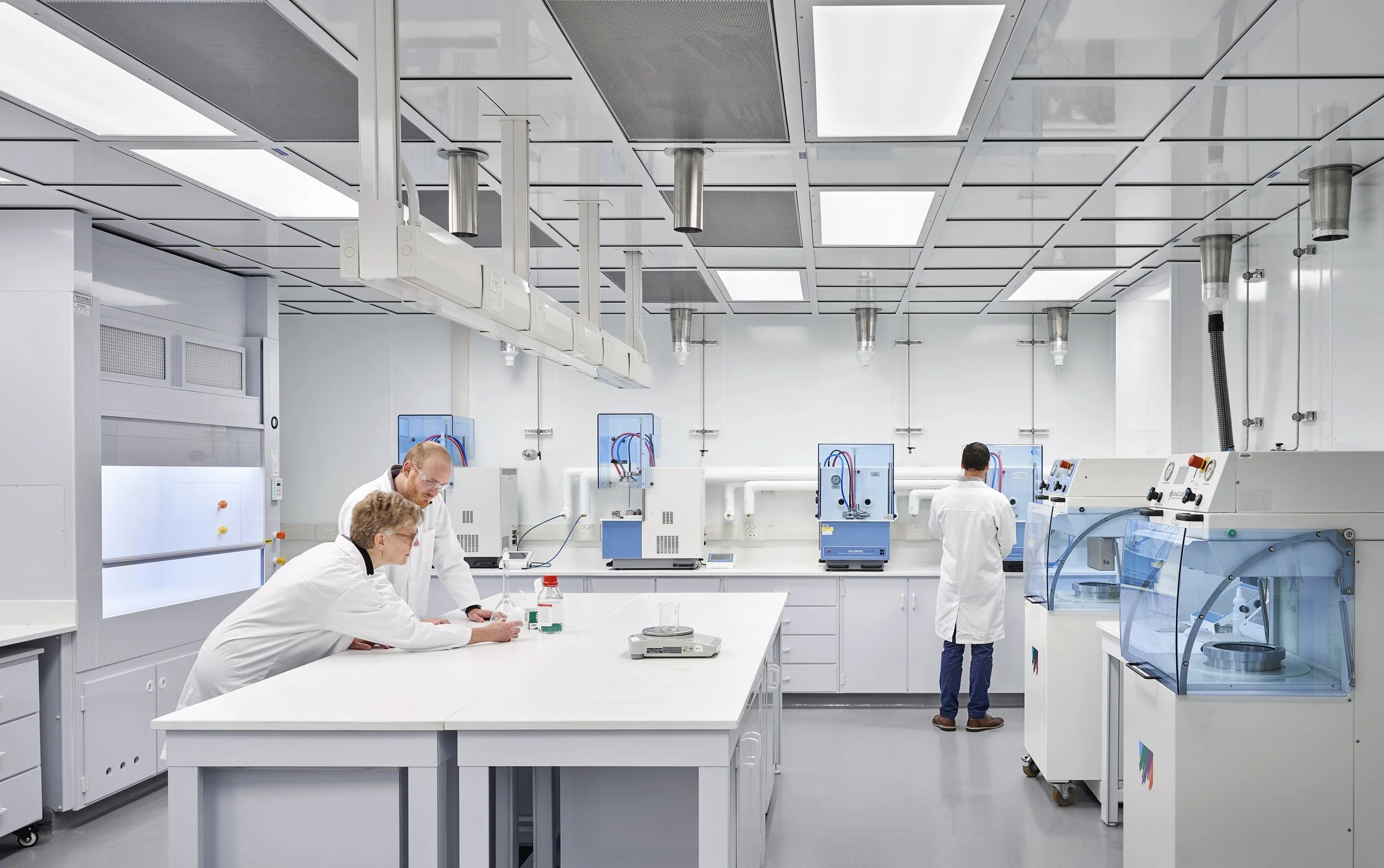
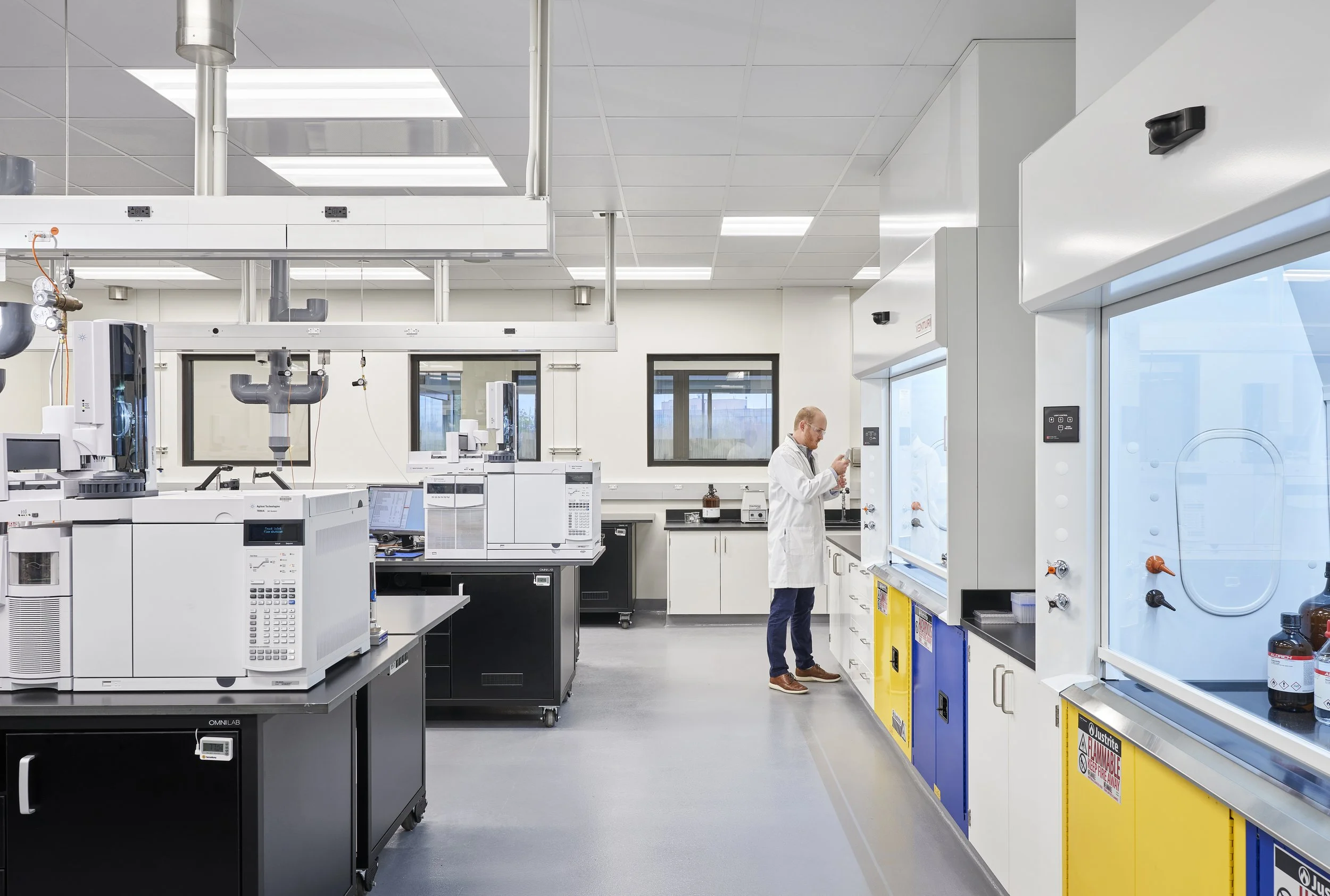
Research laboratories are wholly different than any other space type in the built environment. There are no other project types more technically complicated or programmatically demanding. These facilities operate as high-stakes environments where safety, efficiency, and regulatory compliance are non-negotiable priorities. Successful laboratory design requires the seamless integration of all these critical drivers.
Whether undertaking expansions, renovations, or new construction, research laboratory projects demand more than conventional architectural and engineering expertise. They require deep subject matter expertise to navigate their inherent complexities and ensure the long-term success and performance of these mission-critical environments.
In this six-part series, we explore the value of engaging a Laboratory Subject Matter Expert (SME) and how NKB’s SMEs leverage decades of experience to support laboratory clients nationwide, delivering informed solutions at every stage of the project lifecycle.
Posts in this series include:
1) The Strategic Value of Expert Laboratory Oversight
2) Planning & Designing Laboratories for the Future
3) Peer Review as a Risk Mitigation Tool
4) Collaborative Coordination with Team Partners
5) Lessons Learned: Springboard to Advance the Project Effort
6) Building Laboratories that Stand the Test of Time
Each post offers practical insights, industry data points, and actionable guidance for planning and designing laboratories that are safe, efficient, and ready for tomorrow’s research challenges.
Introducing the first post in our newest blog series:
1) The Strategic Value of Expert Laboratory Oversight
In today’s fast-paced research environment, laboratory expansions and renovations are more than just construction projects; they’re complex, highly regulated, and intensely user-driven systems. A Subject Matter Expert (SME) ensures that laboratories work in the real world, not just on paper.
NKB SMEs bring decades of experience in laboratory planning and oversight; bridging the gaps between technical science, human behavior, and the built environment; working seamlessly alongside the client, laboratory researchers/primary investigators, design professionals, and construction contractors. SMEs provide a specialized lens that enhances collaborations and elevates project outcomes. They are valuable because:
They translate science into space.
SMEs understand how research experiments, testing, or processes happen day to day. That insight drives critical decisions about bench layouts, adjacencies, equipment clearances, workflows, storage, and infrastructure; the things that can’t be guessed from standards or rules of thumb.They protect safety and compliance.
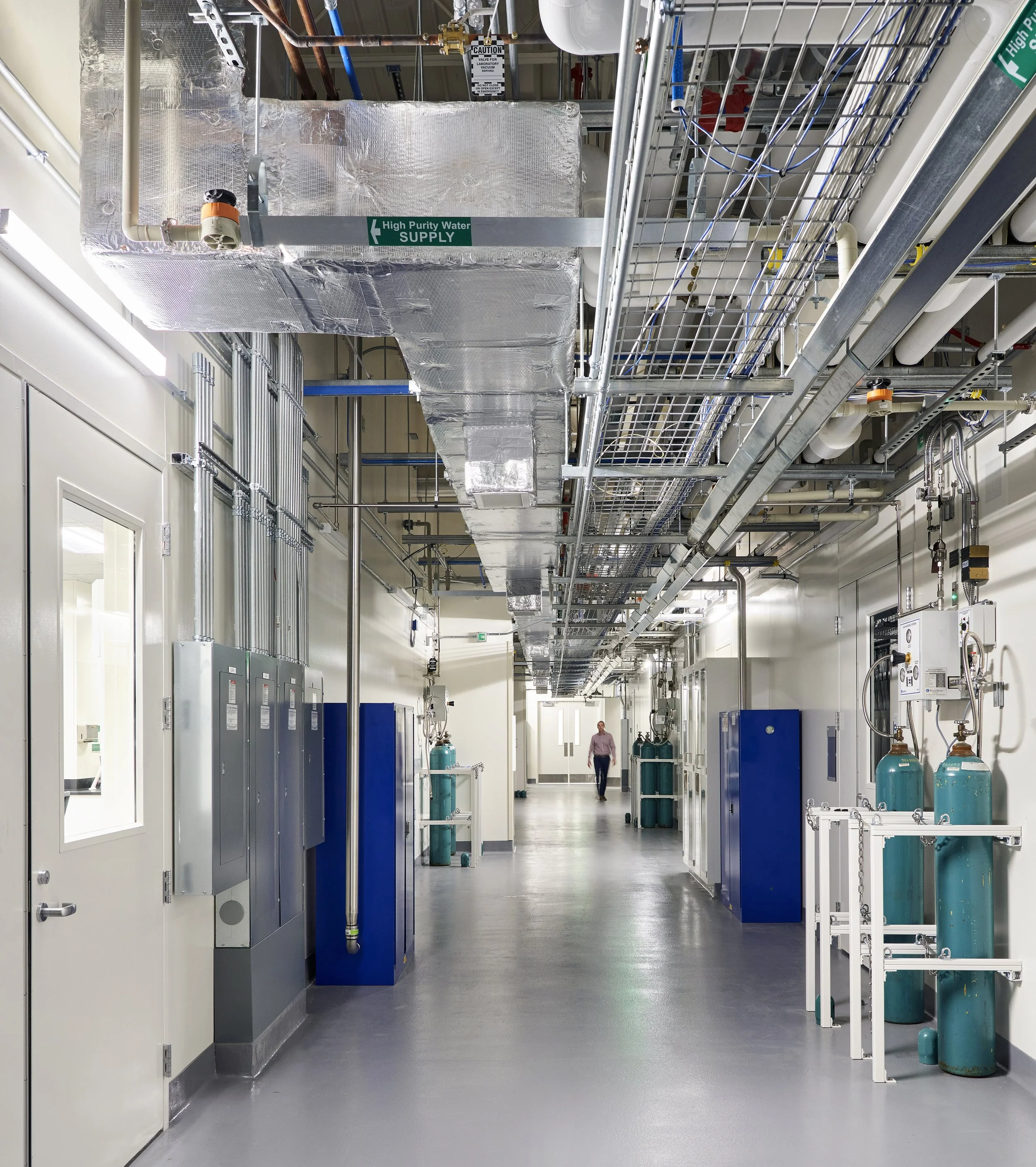
Laboratories must meet strict requirements for ventilation, chemical storage, biosafety, cleanroom protocols, waste handling, environmental constraints, and power requirements. SMEs help identify risks early and ensure the design aligns with applicable codes, regulations, and best practices before redesign or compliance issues arise.They future-proof the laboratory.
Research evolves quickly, and so do the facilities that house laboratories. SMEs can anticipate changes in equipment, methodologies, or staffing and help design flexible systems that adapt over time, rather than locking research personnel into a layout that becomes obsolete in a few years.They improve efficiency and productivity.
A well-planned laboratory minimizes the unnecessary movement of researchers and primary investigators, reduces cross-contamination risks, and supports smooth workflows. SMEs spot inefficiencies that design professionals might miss, helping create a space that supports speed, accuracy, and collaboration.They save time and money.
Getting it right the first time. Catching design missteps early, like inadequate infrastructure capacity, improper equipment placement, or insufficient support spaces, avoids change orders, downtime, and expensive retrofits.They align the design with the people using the laboratory.
At the end of the day, laboratories are for people. SMEs advocate for researchers and primary investigators, ensuring that ergonomics, visibility, comfort, and operational needs are inherent in the design, not treated as afterthoughts.
Why does oversight matter? Since research laboratories are highly technical, the smallest misalignments in workflow, safety protocols, equipment placement, or laboratory infrastructure can lead to notable delays or regulatory challenges. Oversight by SMEs serves as a safeguard and technical advisor to the client, catching potential issues early in the project's planning and design phases. Peer reviews performed by SMEs offer an independent assessment, identifying gaps and opportunities for improvement to elevate the quality of the laboratory design.
The NKB Approach includes:
Comprehensive Review: Each design is examined for functionality, safety, and regulatory perspectives.
Collaborative Coordination: Smoothly integrating with team partners to maintain consistency and standards across projects.
Forward-Thinking Strategy: Oversight isn’t just about avoiding mistakes; it’s about planning for the laboratory’s future, ensuring flexibility for upcoming expansions or new research directions.
When it comes to laboratory expansions and renovations, oversight and peer review aren’t optional; they’re strategic tools to safeguard investments and streamline operations. By integrating expert insight early and continuously throughout a project, SMEs ensure laboratories are safe, functional, compliant, and future-ready.