

NEWS
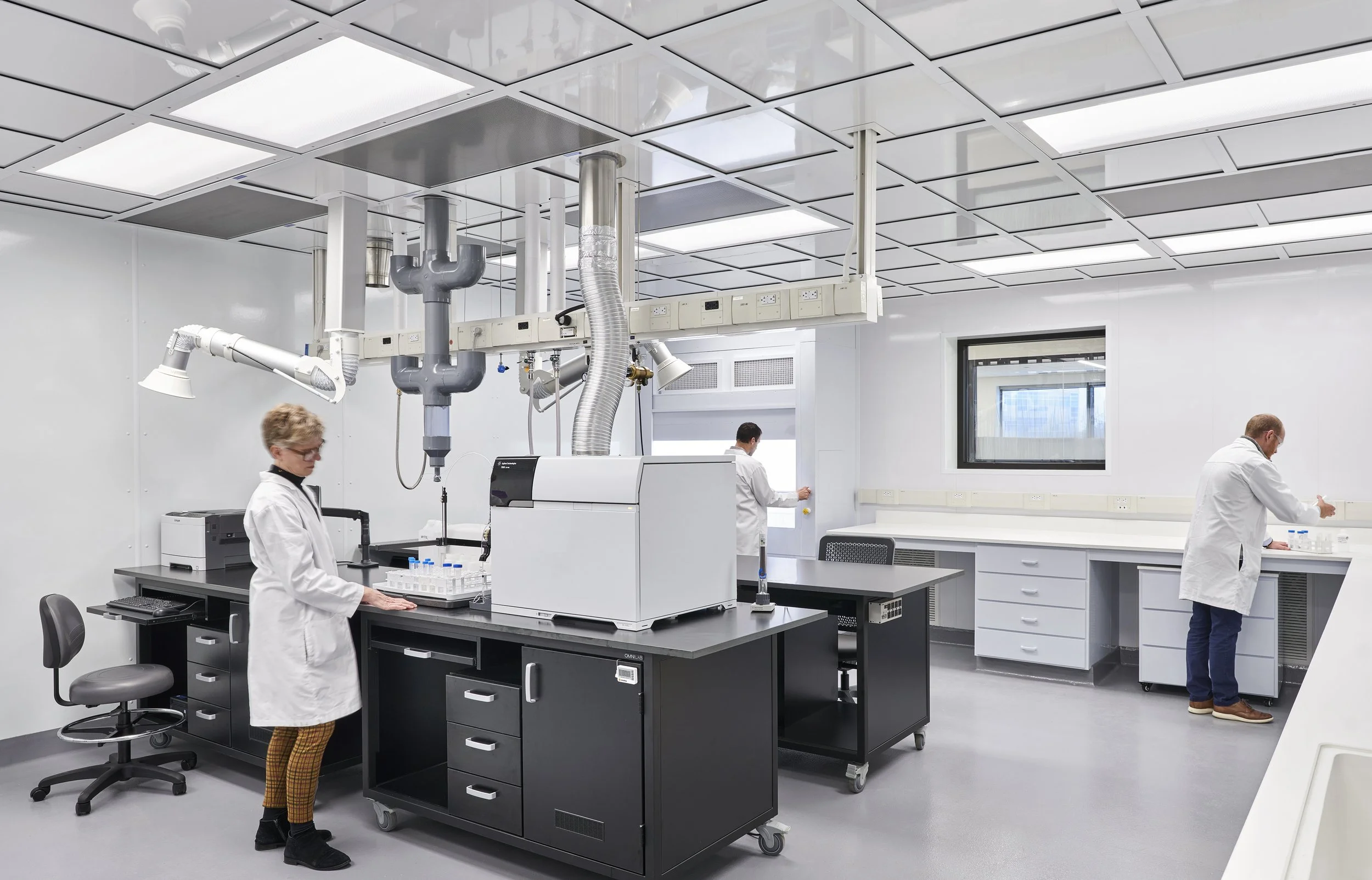
Through the Laboratory Lens: Expertise in Planning, Oversight & Peer Review - Part One
Research laboratories are among the most technically demanding environments in the built world, where every planning and design decision can directly impact safety, research outcomes, and long-term operational success. In this six-part blog series, we'll explore the critical role Subject Matter Experts (SMEs) play in laboratory planning, design, and oversight, beginning with why expert oversight is one of the most valuable investments a laboratory project can make.
How NKB Ensures Success on Term Contracts
Successful term contracts require more than technical expertise – they demand responsiveness, consistency, strategic insight, and a long-term commitment to helping agencies achieve their mission-critical goals.

Choosing The Right 3D Scanning Tool: LiDAR, Thermography, or UAV
NKB leverages advanced scanning and sensing tools to enhance accuracy, mitigate risk, and inform critical decisions at the earliest stages of design. Because our projects often involve complex conditions and tight construction budgets, we rely on technologies that reveal concealed elements, capture existing conditions with high fidelity, and support the selection of the most efficient and cost‑effective design strategies.
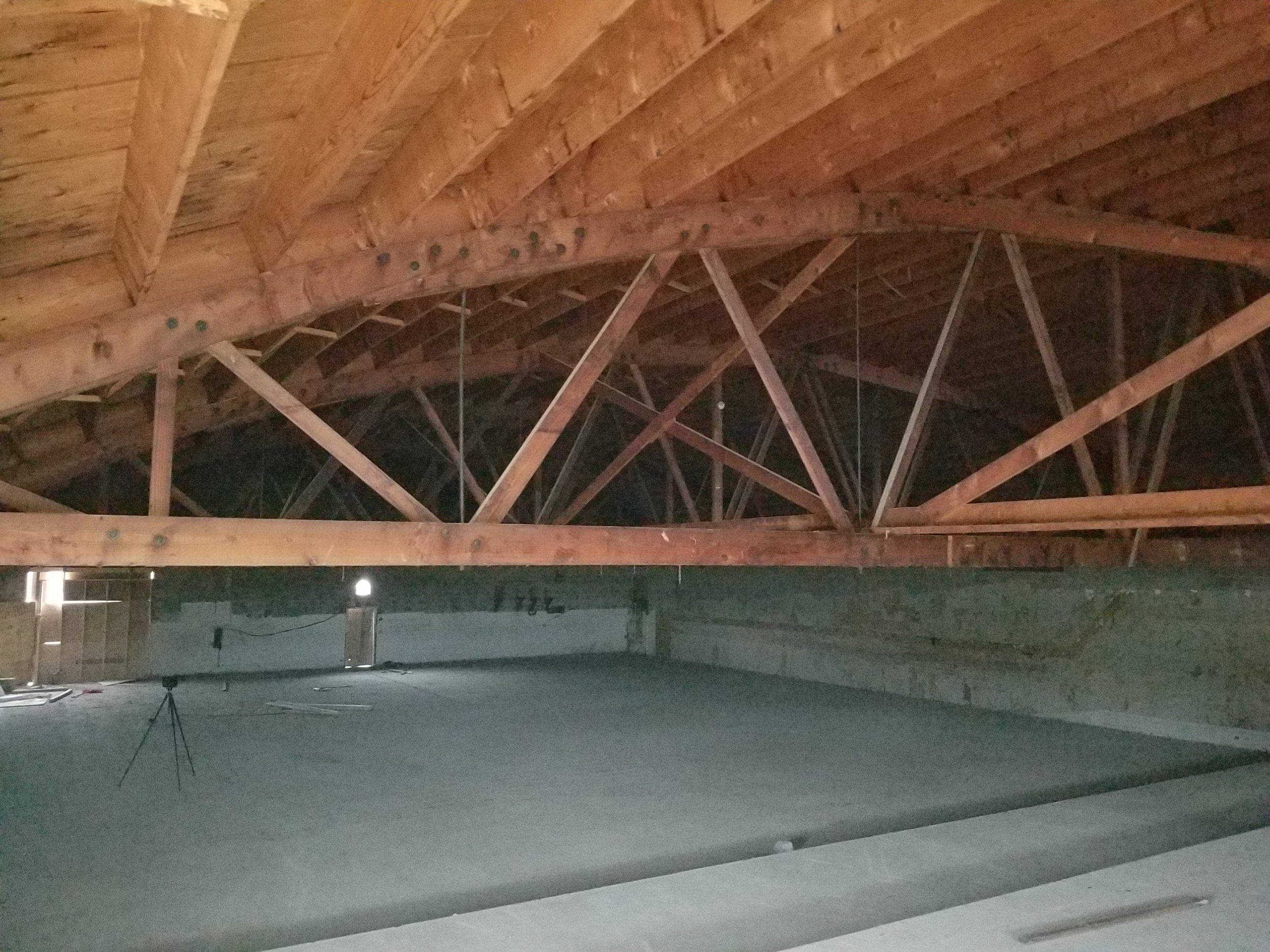
Preserving Historic Truss Systems: Where Engineering Meets Stewardship
Historic timber trusses are more than structural systems; they are enduring pieces of craftsmanship that carry a building’s history forward. Preserving them requires thoughtful engineering that balances modern performance demands with deep respect for the original design. It takes careful investigation, creative problem-solving, and close collaboration to strengthen these systems while maintaining their character. When done well, truss preservation extends a building’s life and allows communities to reconnect with places that matter.
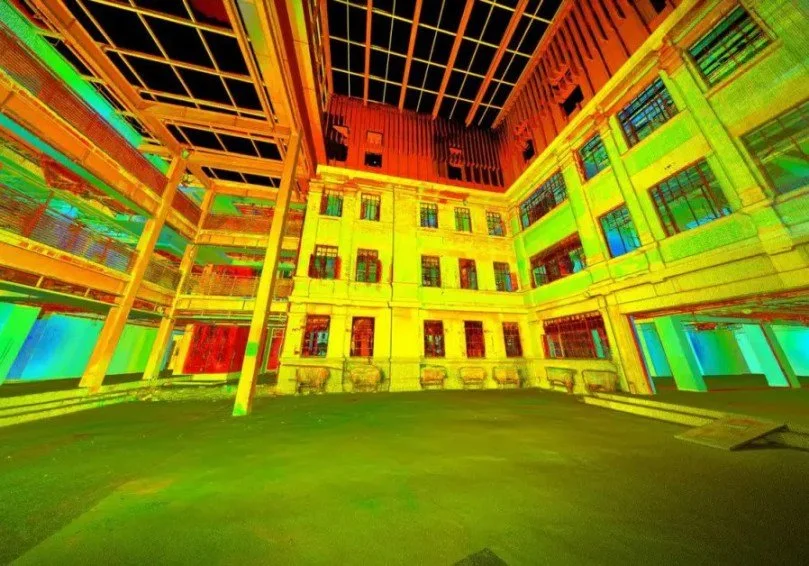
Transforming Design & Construction with LiDAR 3D Scanning
With LiDAR progressing and expanding within the AEC industry, NKB is your premier partner for applying this technology effectively. In today’s rapidly evolving design and construction landscape, precision and accuracy are more important than ever. LiDAR 3D laser scanning is redefining how architects, engineers, and builders capture existing conditions, document facilities, and plan for future development.