Behind the Scenes: How Integrated Design Solves Complex Challenges
Authored by Daniel Heukrath, AIA, NCARB, LEED AP
I’ve spent years working on buildings that refuse to fit neatly into simple categories - historic renovations that carry decades of stories in their brick walls, research facilities where precision and safety shape every detail, and institutional buildings that must serve evolving needs without losing sight of the people who use them. These projects are rewarding, but they are rarely straightforward.
Every building project comes with its own set of challenges. Complex projects, however, require far more than isolated expertise. I’ve worked on historic renovations where preserving character clashes with modern code requirements, and on research facilities where sophisticated mechanical systems must coexist with flexible spaces that evolve as teams and technologies change. Navigating these competing priorities is where design becomes truly engaging – and where integrated design shows its real value.
Integrated design brings multiple disciplines together from the very beginning. Instead of architecture, engineering, and interior design working in isolation, these teams collaborate early and stay connected throughout the process. I’ve experienced the difference this makes firsthand. Problems are identified sooner, ideas are tested collectively, and solutions evolve in a way that feels holistic rather than patched together. The result isn’t just a building that works – it’s a building where systems and spaces support one another.
Starting With More Than a Vision
Every project begins with a vision. Clients imagine how a space should function and who it should serve. I find this part of the process inspiring because it reminds me that buildings are tools for human activity – places where people learn, work, heal, and connect.
Turning vision into reality requires understanding the forces that shape design decisions. Early in the process, integrated teams evaluate constraints, such as existing site conditions, building codes, budgets, and functional requirements. I’ve learned that addressing these realities up front is not about limiting creativity. It’s about creating the foundation for solutions that are both imaginative and achievable.
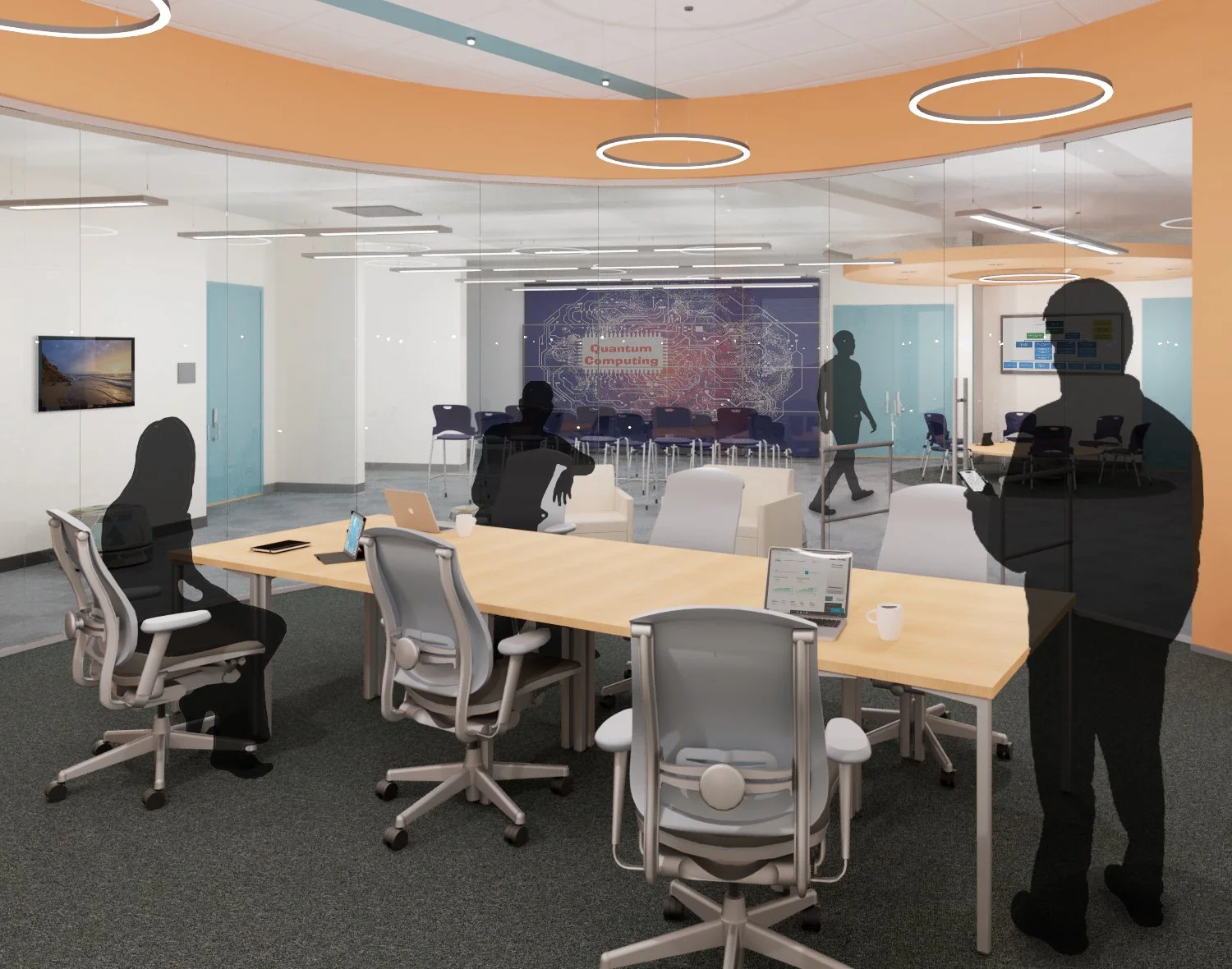
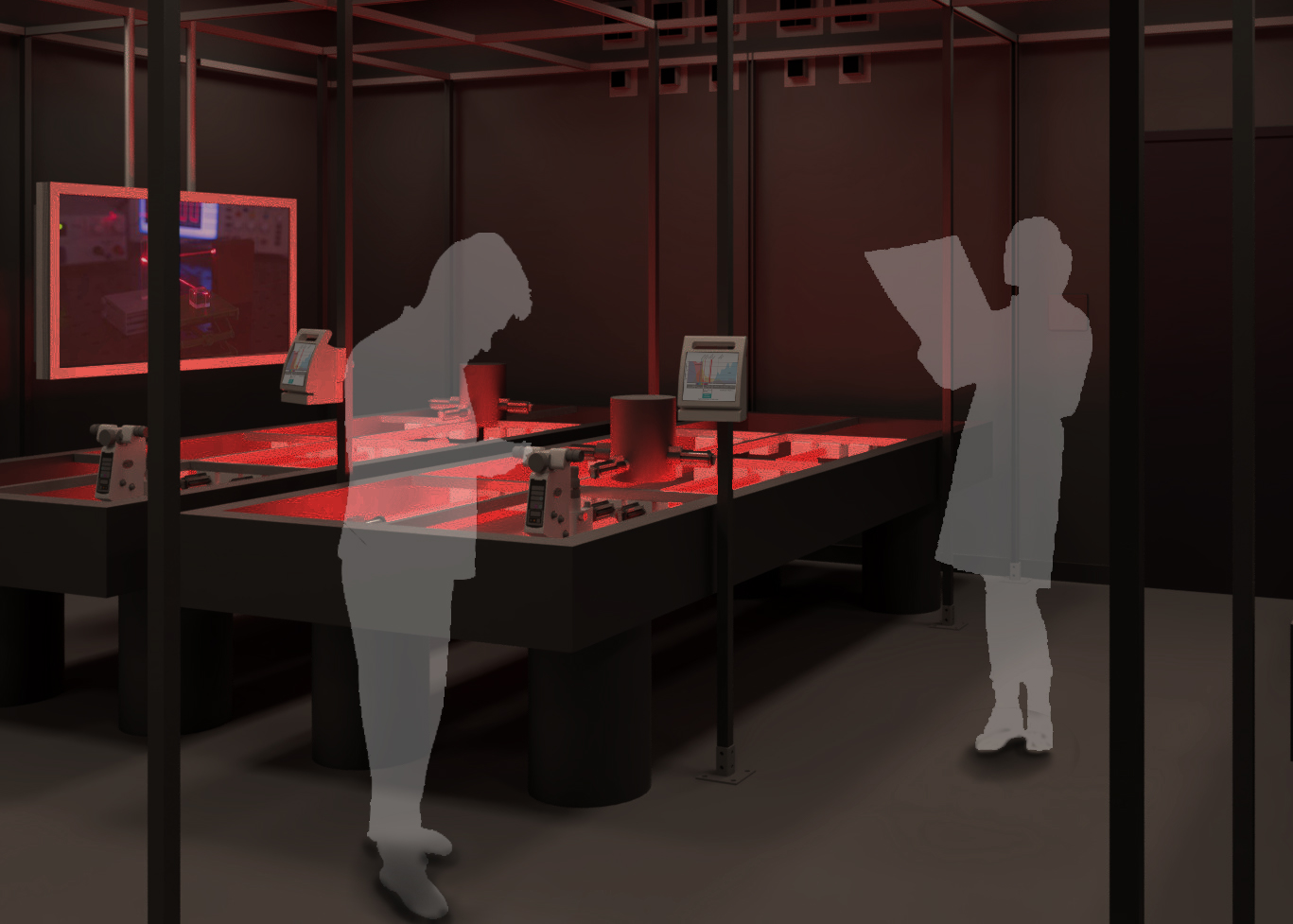
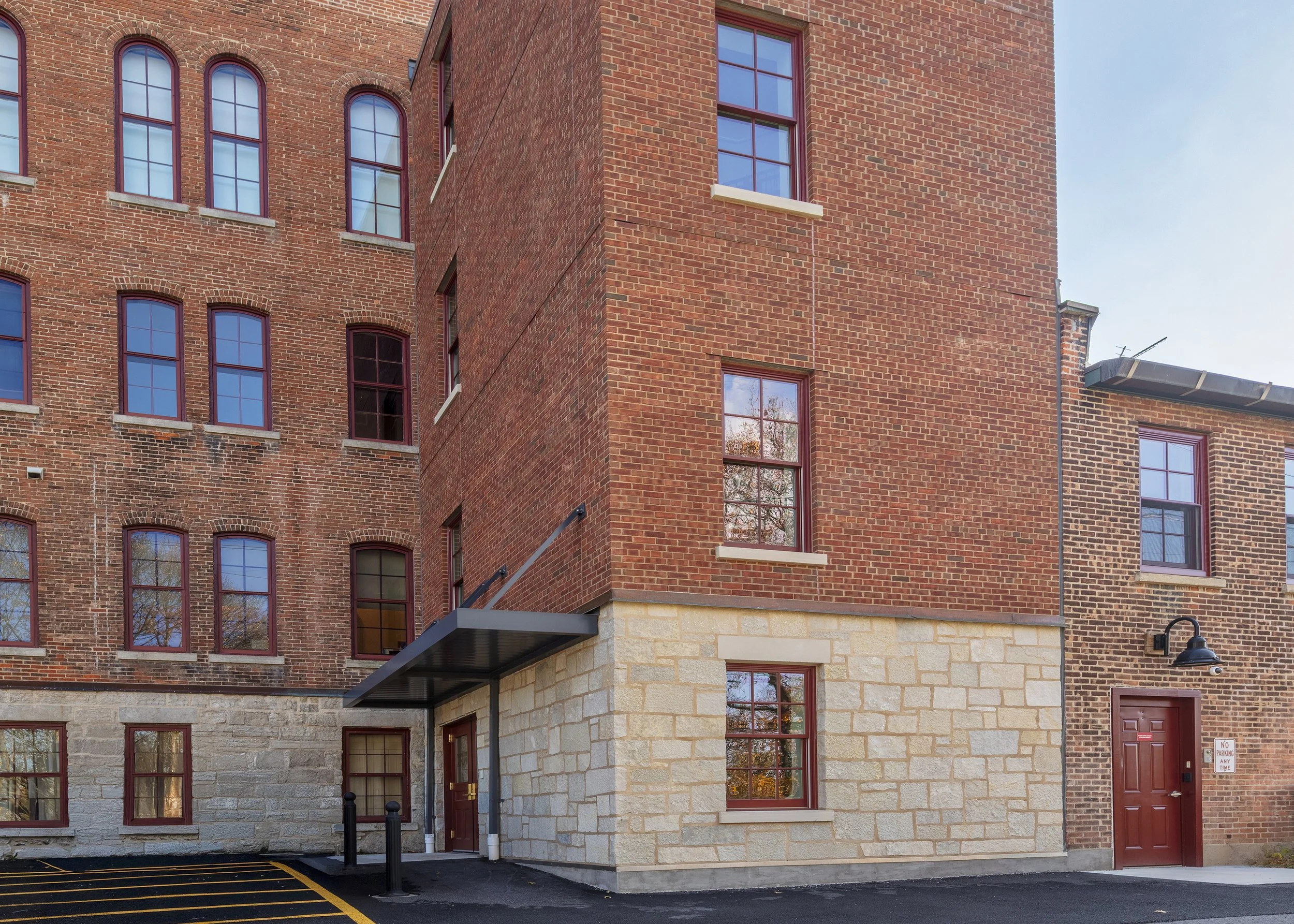
For example, in historic renovations, the challenge might be preserving original materials while improving structural safety and accessibility. In research facilities, it might be designing mechanical systems that support specialized workflows without sacrificing adaptability. With institutional buildings, it might be incorporating safety and security into inviting, aesthetically pleasing environments. Identifying these considerations early allows teams to make informed decisions and reduce risk – saving time and resources later in the process.
Exploring Design Options Through Collaboration
Once the design “guide rails” are understood, multidisciplinary teams can then begin exploring appropriate choices and solutions. This is where integrated design feels most dynamic. Instead of working sequentially, architects, engineers, and designers contribute ideas simultaneously. I’ve seen how this collaboration leads to stronger results.
In a historic renovation, structural engineers might propose strategies to stabilize aging elements while architects and interior designers develop ways to showcase original features and introduce modern functionality. In a research project, mechanical and structural systems must align with interior layouts to support scientific workflows and future adaptability.
Each alternative is evaluated for performance, constructability, cost efficiency, and durability. The process is iterative - ideas evolve as teams refine solutions. I enjoy this stage because it embodies problem-solving at its best: creative exploration balanced with practical constraints. The goal is not perfection on the first attempt but continuous improvement until the design meets the technical requirements and user needs.
Carrying Design Intent Through Construction
Design does not end when construction documents are complete. Projects have succeeded because the design team remains engaged during construction, ensuring that the original intent is realized in the field. This phase often involves responding to unexpected site conditions, coordinating building systems, and ensuring quality control.
Construction is where ideas become real. A well-coordinated team can address challenges efficiently because everyone understands the bigger picture. Decisions are made with awareness of how changes ripple through the project, preserving functionality and design integrity. I’ve found this continuity invaluable – it bridges the gap between concept and execution.
Why Integrated Design Matters
Buildings are interconnected systems. Structure, mechanical systems, and interior spaces do not exist in isolation. When these elements are designed collaboratively, the result is a more resilient and user-centered environment.
Integrated design helps:
Reduce conflicts between building systems
Improve project efficiency and coordination
Deliver spaces that balance performance, aesthetics, and longevity
From my perspective, it also fosters a culture of shared problem-solving. Complex challenges become opportunities to think creatively and work together toward solutions that serve users and communities.
At its core, integrated design is about understanding that buildings are more than physical structures. They are environments that influence how people experience the world – how they learn, work, and interact. Whether preserving the character of a historic building, designing a laboratory for cutting-edge research, or creating institutional spaces that adapt over time, integrated design provides a solid path forward.
For me, that is the most rewarding part of the process: helping shape spaces that matter, using collaboration and thoughtful design to solve problems and create value. Complexity may be inevitable, but with the right approach, it becomes an opportunity to build something better.