Community Impact: How Design Firms Can Give Back & Why It Matters
Authored by Daniel Heukrath, AIA, NCARB, LEED AP
Design extends far beyond the buildings themselves. At its best, it strengthens the communities those buildings serve.
When I embed community engagement in both my process and my purpose, the work becomes richer and more grounded. It shifts from simply completing a project to listening deeply, learning what matters most, and shaping environments that honor culture, strengthen connection, and stand the test of time.
For me, design has its greatest impact when it fosters long‑term well‑being and feels authentically rooted in the community it serves.
Why Community Matters in Design
The built environment quietly shapes our daily experience in ways we often overlook. The spaces where we learn, heal, work, and gather influence how we feel, how we perform, and how we relate to one another. When approached with genuine intention, design can do far more than meet code or program requirements – it can foster safety and dignity, expand accessibility, promote sustainability, and enhance the overall quality of life for the people who use those spaces every day.
Whether the project is a federal facility, an educational campus, a healthcare environment, or a historic renovation, every design decision affects people. Recognizing that impact encourages designers to consider not only technical performance, but also social, economic, and environmental outcomes.
Giving back is not separate from design work; it is an extension of the design process. When people are prioritized alongside performance, design becomes a catalyst for positive change. It should elevate people and how they interact with their environment.
How Design Firms Can Make a Difference
Design firms are uniquely positioned to support communities through both their projects and their professional expertise. Some of the most effective ways firms can give back include:
Community-Centered Renovations
Restoring and repurposing existing buildings preserves cultural heritage while adapting spaces for modern needs. These projects honor a community’s past while supporting its future.Enhancing Public Spaces
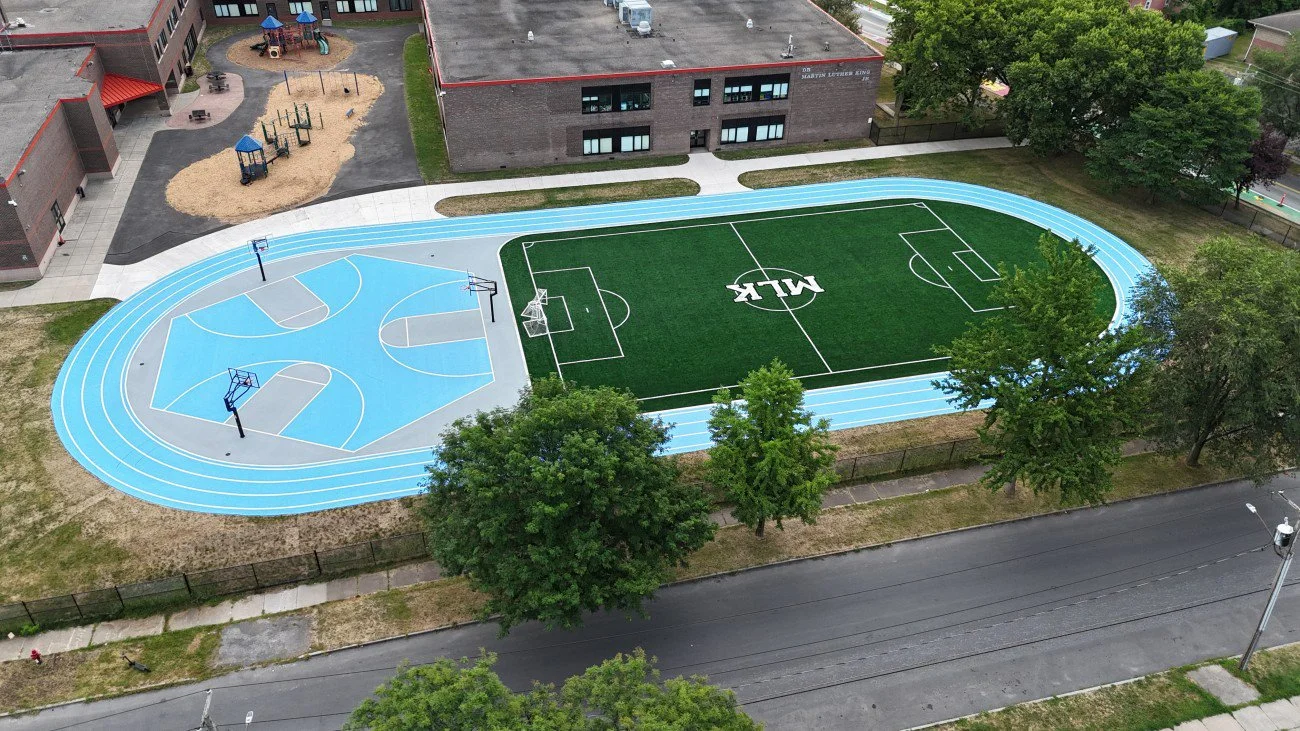
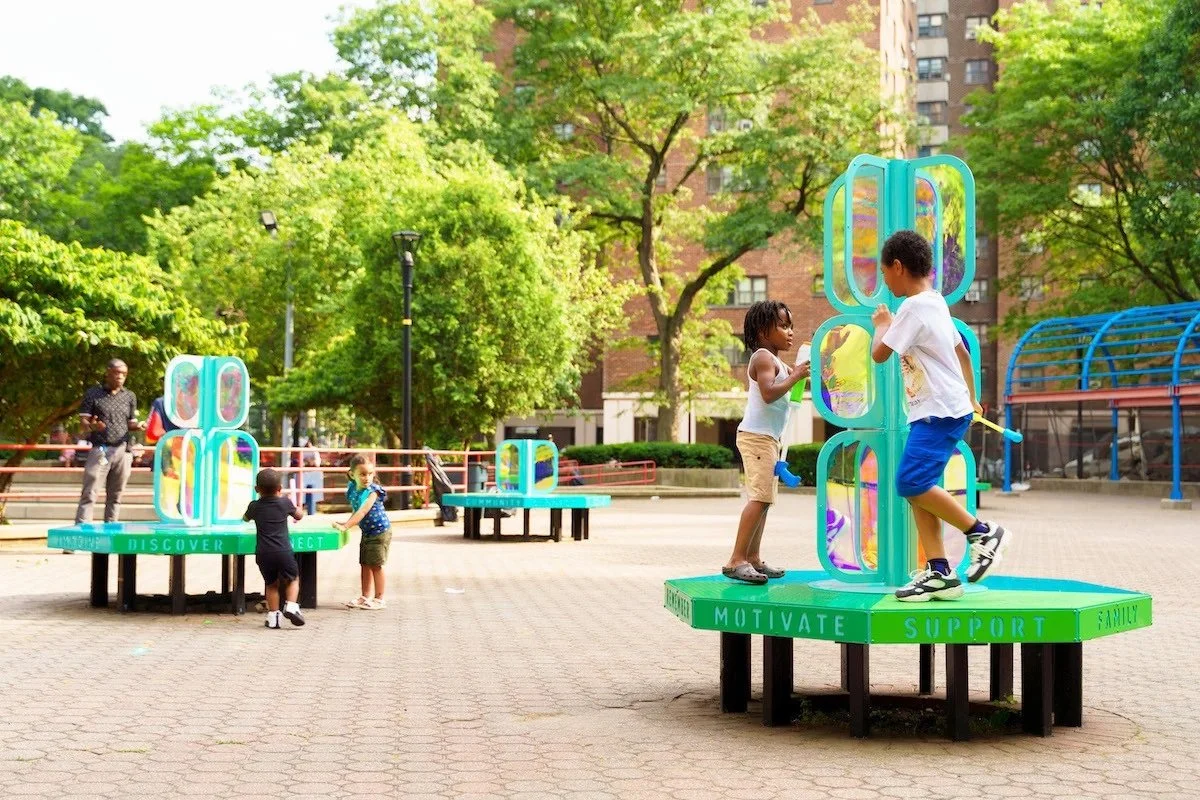
Well-designed public spaces encourage social interaction, improve accessibility, and foster a sense of pride and belonging. These shared environments often become anchors for community life.Supporting Local Initiatives
Sponsoring programs, volunteering time, or donating resources to local schools, nonprofits, and civic organizations helps address real community needs. These efforts build strong relationships and extend impact beyond individual projects.Mentorship and Education
By mentoring students, offering internships, and hosting educational programs, design firms can support workforce development and help expand access to the profession.
Prioritizing Sustainable & Resilient Design
Energy-efficient systems, responsible material choices, and resilient design strategies reduce environmental impact while creating healthier spaces. Long-term thinking benefits both communities and the environment they rely on.
Community Engagement in Practice
For NKB, community engagement is most meaningful when it is embedded into everyday practice. For me, it’s about more than just delivering technical expertise. It’s about partnering with local institutions, supporting community-driven initiatives, and reinvesting in the places where our projects take root. Design should serve people first, strengthening communities and leaving a lasting, meaningful impact.
When we design with intention and set our egos aside, the work becomes more than delivering a successful project. It becomes a shared effort - bringing stakeholders to the table, listening carefully, and shaping spaces that genuinely reflect the people who use them.
At its best, that process creates more than buildings. It creates opportunity. It strengthens connections. It helps shared spaces reflect their communities and, in the end, leaves communities with spaces that truly support and uplift them.