The Nuances of Knowing Codes
Authored by Kim Schwanke, Associate AIA/NYSCEO
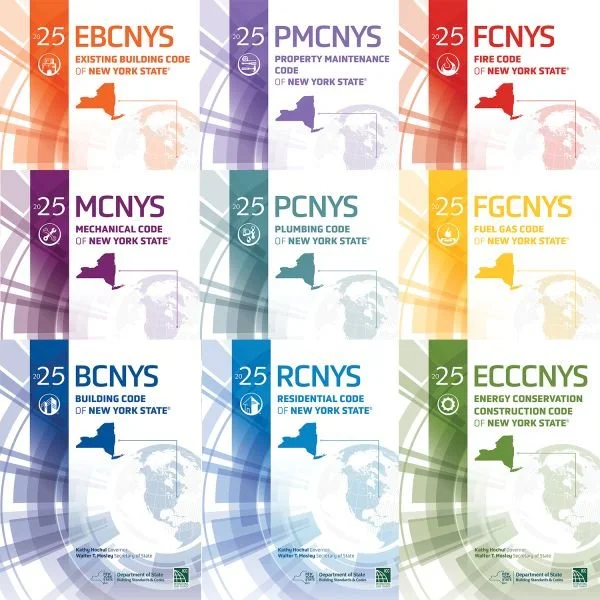
When it comes to federal building design, applying the “right” building code isn’t simply a matter of referencing the latest edition on the shelf. Federal projects occupy a unique regulatory space – one that balances national consistency with local adaptation, agency-specific requirements, and overarching federal mandates. Understanding how these layers intersect is essential for architects and engineers navigating design compliance, ensuring not only that facilities meet technical and safety standards but also that they align with the complex hierarchy of federal and model building codes.
Applying the correct building code to federal building design is more complex than it may initially appear. Federal agencies are generally expected to adhere to state and local building codes to the maximum extent practicable. However, they retain the authority to override recommendations from state or local officials and apply their own criteria when necessary. This layered framework, though intricate, is designed to safeguard the health, safety, and welfare of the public who occupy federal facilities, while guiding the feasibility of design strategies for each project.
Historically, federal agencies have developed their own standards. Today, policy encourages alignment with nationally recognized model codes, such as those published by the International Code Council (ICC) and the National Fire Protection Association (NFPA). These model codes form the backbone of most state and local regulations. Yet, federal design requirements are further shaped by statutory mandates, Executive Orders, and agency-specific criteria that supplement or supersede these model codes.
For example, federal projects apply the Architectural Barriers Act Accessibility Standards (ABAAS) instead of the ICC A117.1 standard for accessibility. Similarly, the NFPA 101 Life Safety Code is used for egress requirements in place of the International Building Code’s provisions. Some agencies, like the Port Authority, have even implemented supplemental accessibility requirements ahead of national adoption and enforced multiple versions of the New York City Building Code concurrently.
In conclusion, in federal building design, choosing the right codes isn’t simply procedural – it’s strategic. Each project demands careful consideration of federal criteria, national model codes, and agency-specific standards to ensure the safest, most functional outcome. By confirming requirements early and staying current with evolving regulations, design professionals can avoid missteps, protect project integrity, and deliver facilities that truly serve their users. Ultimately, success lies in understanding the nuances and applying the right standards, in the right place, at the right time.