Design for People: A Human-Centered Approach
Authored by Daniel Heukrath, AIA, NCARB, LEED AP
I’ve always believed that buildings are more than just walls and systems - their experiences are shaped by the people who use them every day. That’s what draws me to human-centered design. It goes beyond how something looks or performs on paper and asks a simpler question: Does this space work for the people in it? When we get that right, we create environments that support well-being, boost productivity, and bring people together in meaningful ways.
Understanding the Human Element
Successful projects are not measured solely by how they look or how they stand up structurally. They are measured by how effectively they serve the people who interact with them daily. Human-centered design considers several key aspects of the user experience:
Functionality: Can people move through space efficiently and accomplish tasks with ease?
Comfort: Are lighting, acoustics, temperature, and ergonomics thoughtfully addressed?
Safety: Does the design meet accessibility, code, and safety requirements for all users?
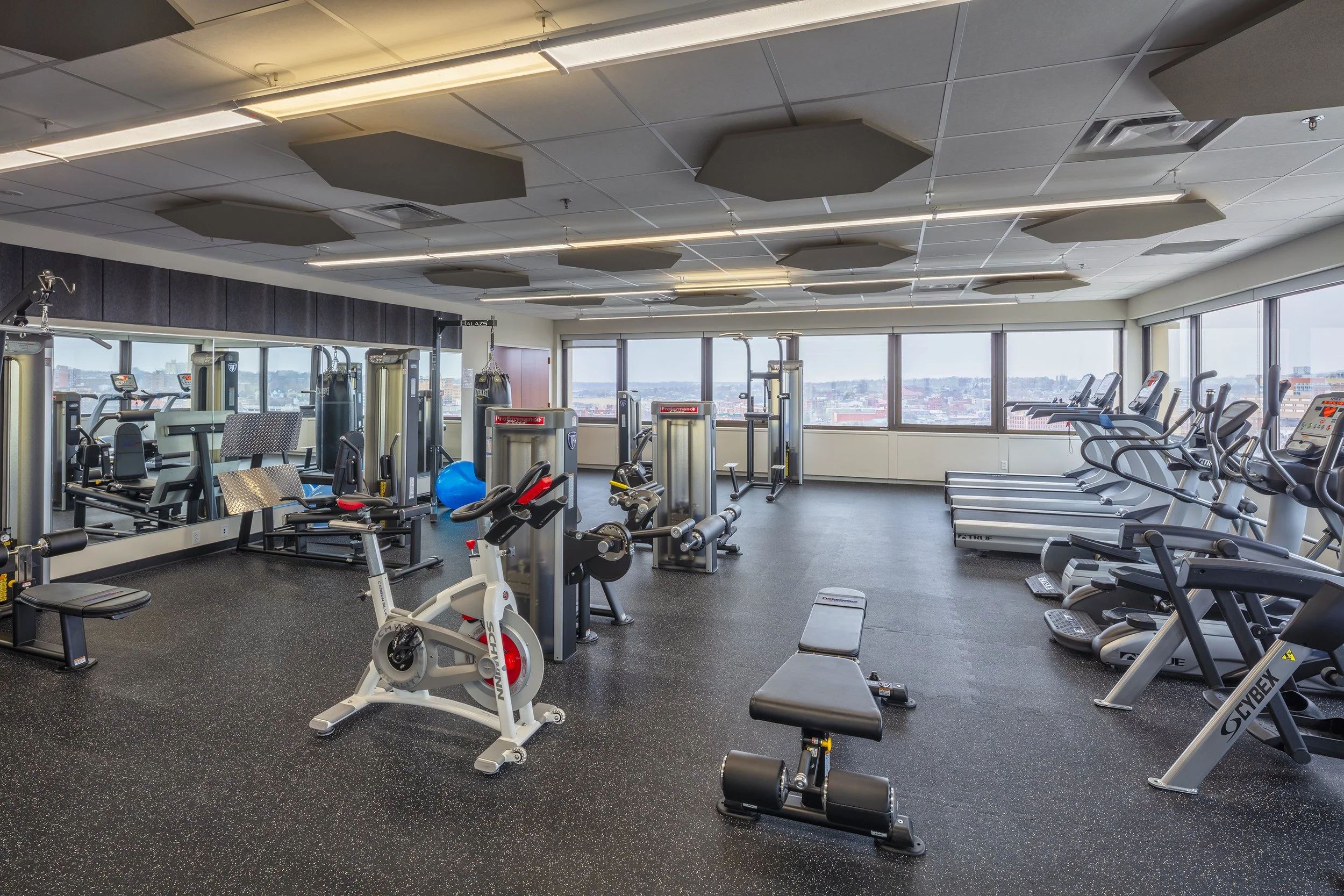
Well-being: Does the environment support mental and physical health, collaboration, and creativity?
By placing human needs at the center of design decisions, spaces become practical, welcoming, and ready to meet the evolving demands of their users.
The Integrated Approach: Architecture Meets Engineering & Design
Designing for human experience requires collaboration across disciplines. Architects, engineers, and interior designers working together from the start can create cohesive solutions that balance form, function, and usability. In practice, this approach may include:
Educational Facilities: Natural daylight, flexible learning spaces, and acoustic control that help recall, focus, and engagement.
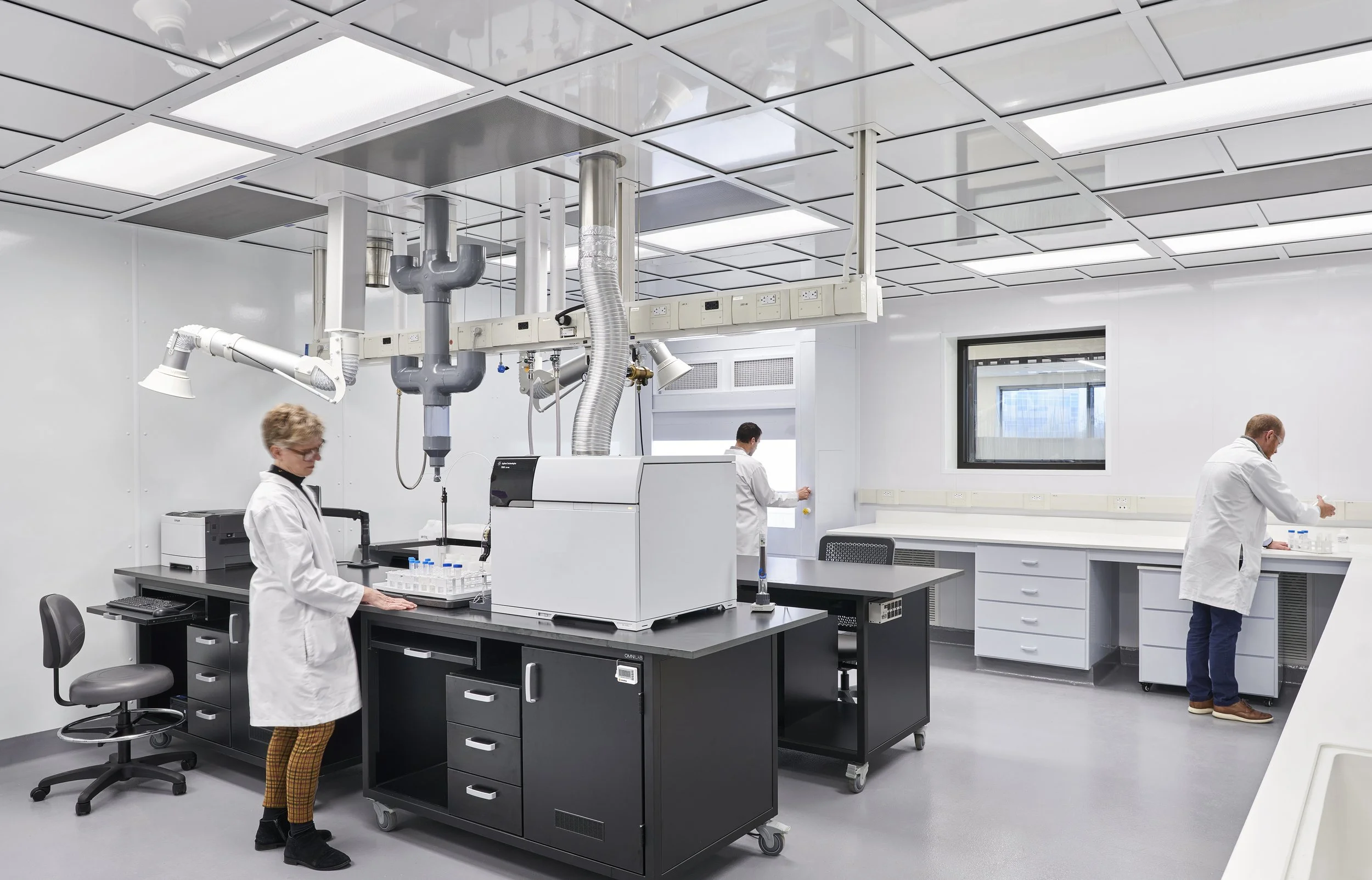
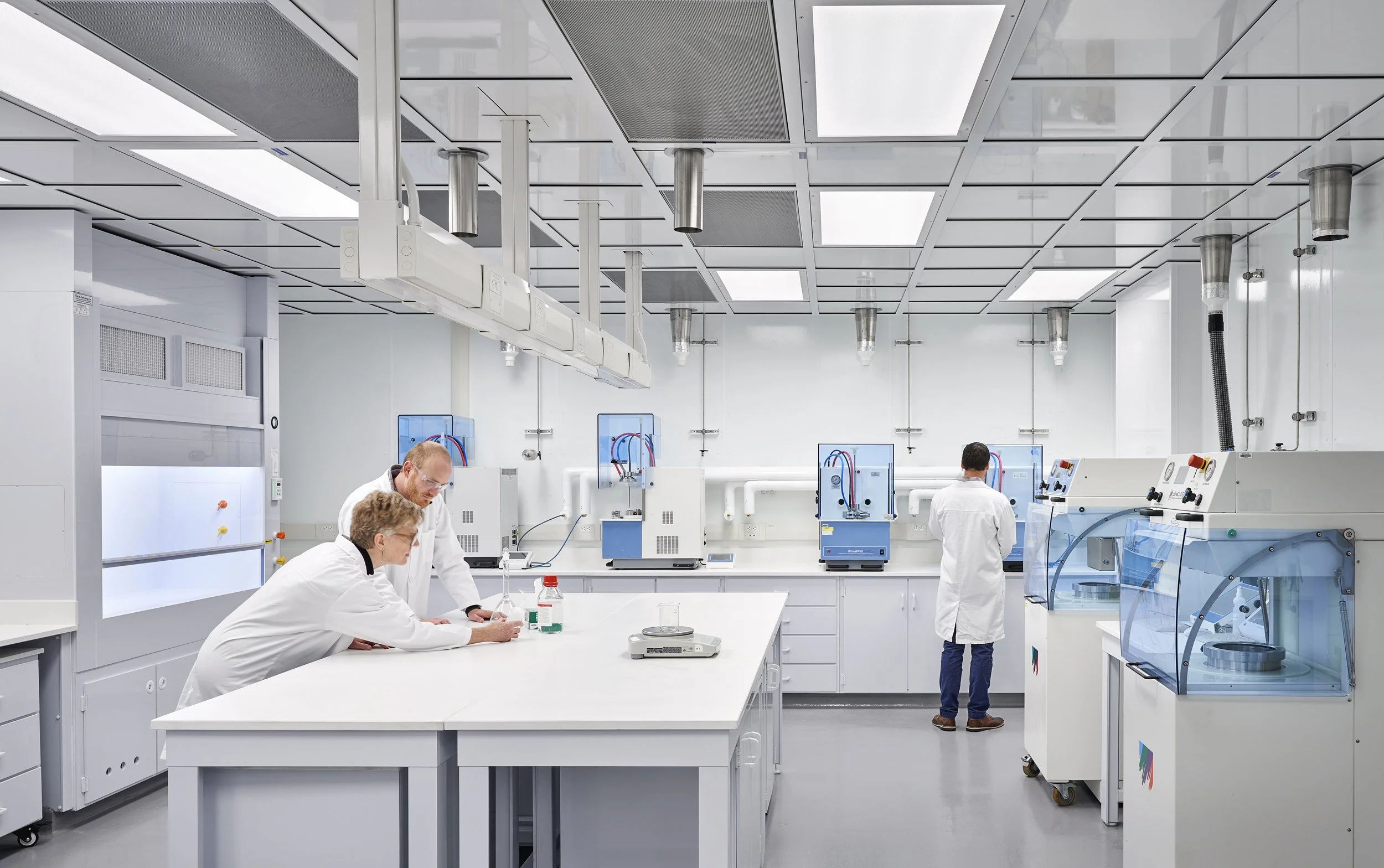
Healthcare and Laboratories: Efficient layouts that reduce stress, improve workflow, and prioritize safety without sacrificing aesthetics.
Historic Renovations: Seamless integration of modern systems while preserving the character and significance of existing spaces.
An integrated model supports teams to anticipate challenges early, respond efficiently, and deliver environments that feel intuitive and human-centered.
Case Study: Transforming an Office into a Collaborative Workplace
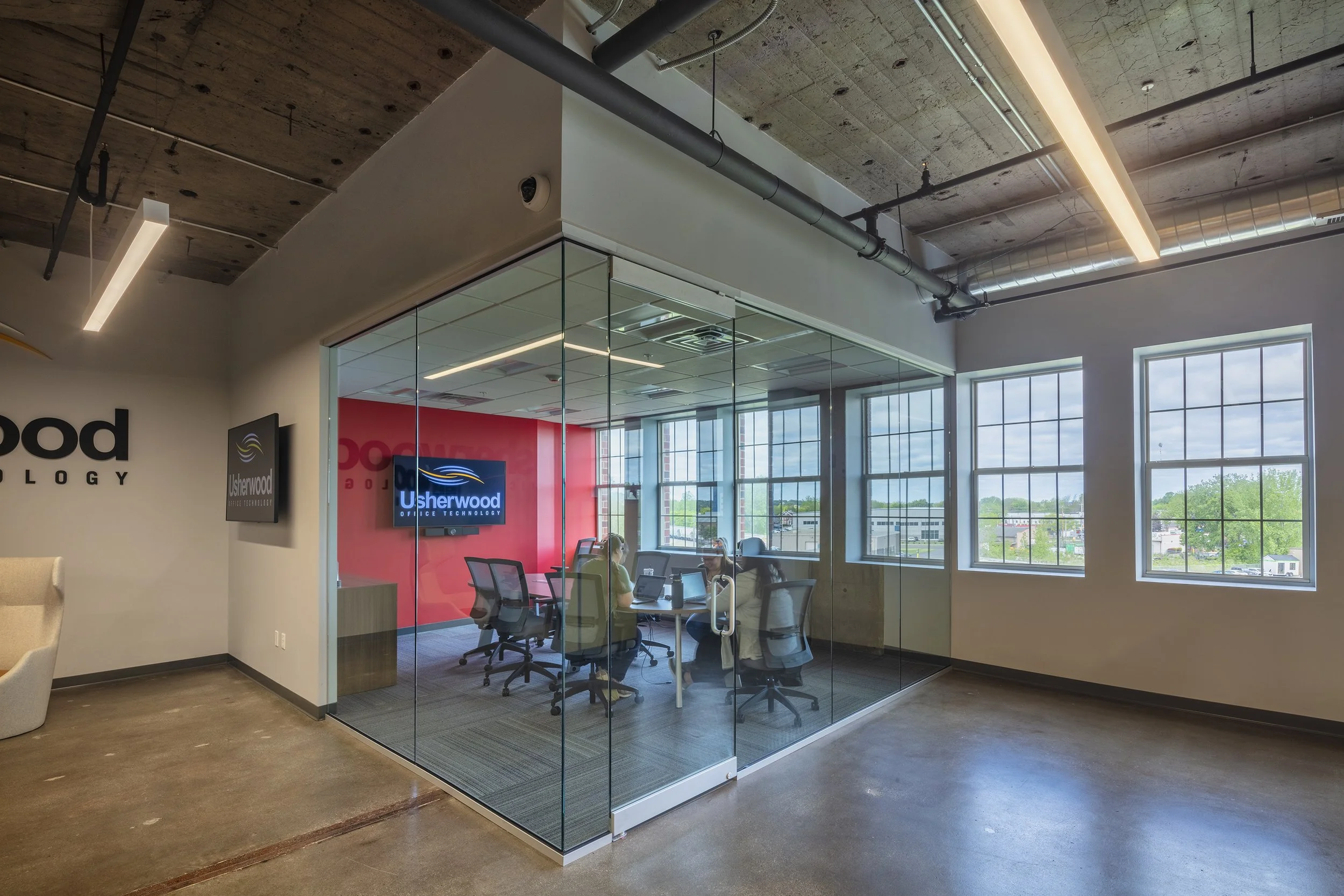
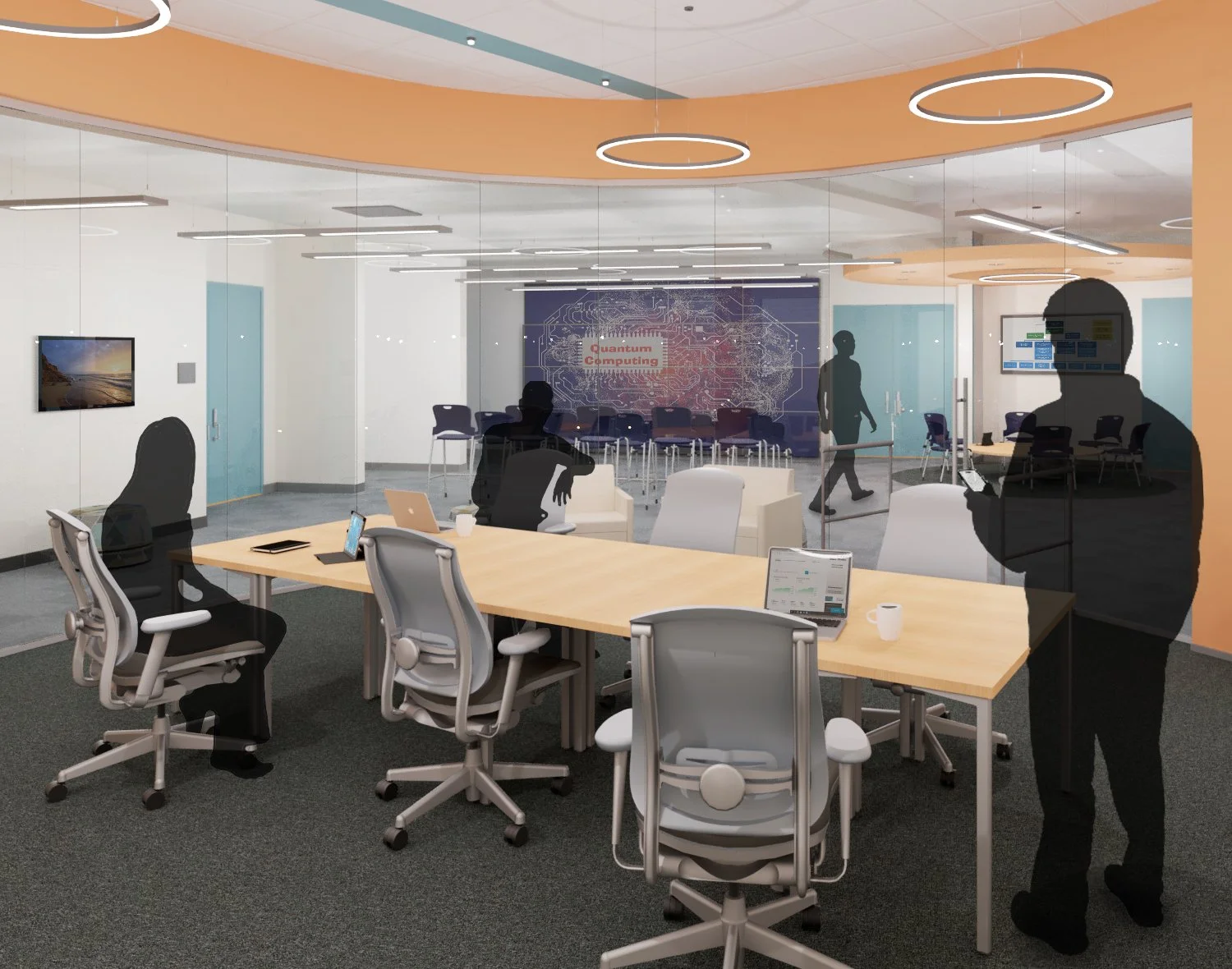
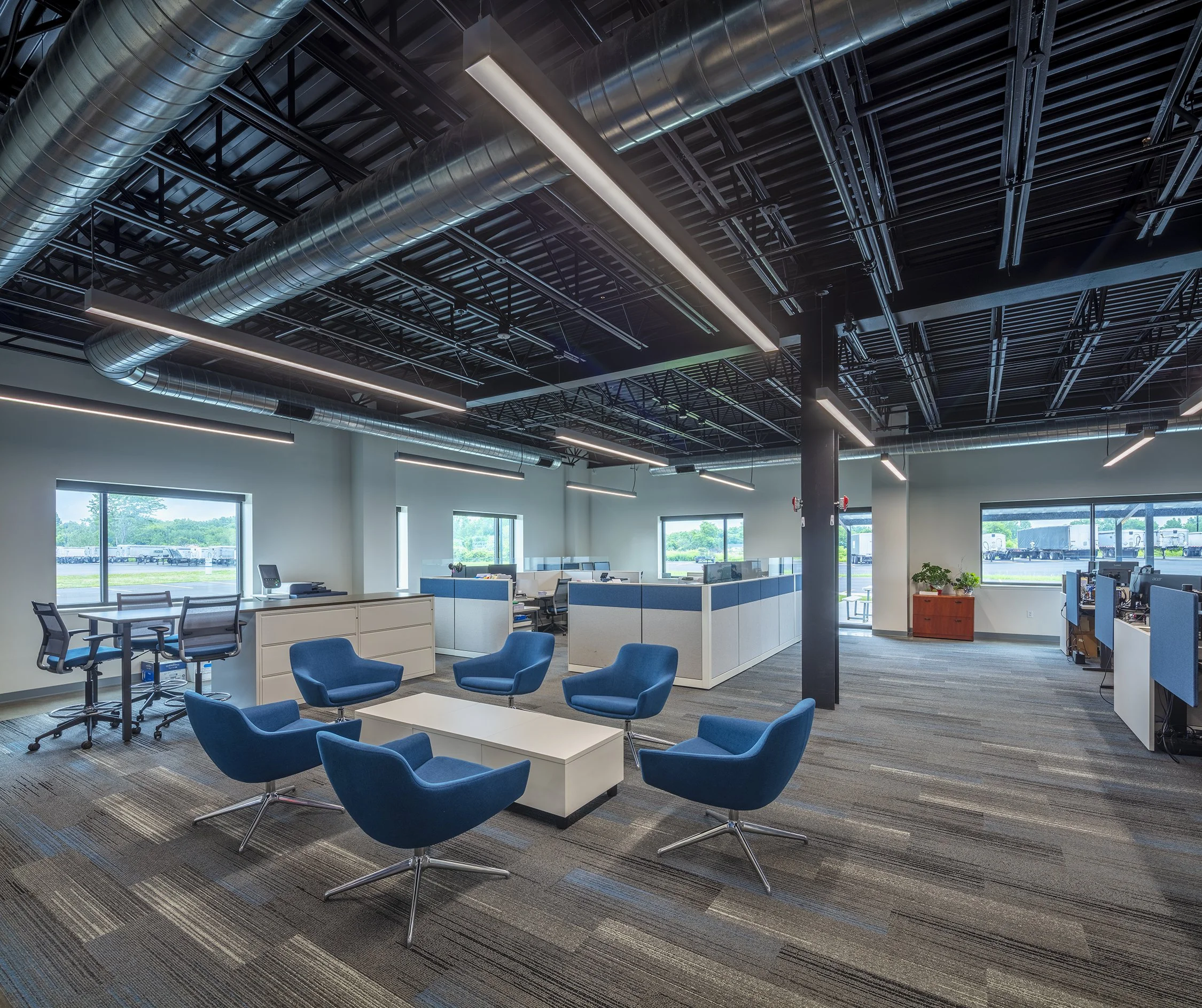
Examples of workplace renovations planned and designed by NKB demonstrate the impact of human-centered design. An underutilized space can be reimagined by observing how employees and their clients interact with their environment.
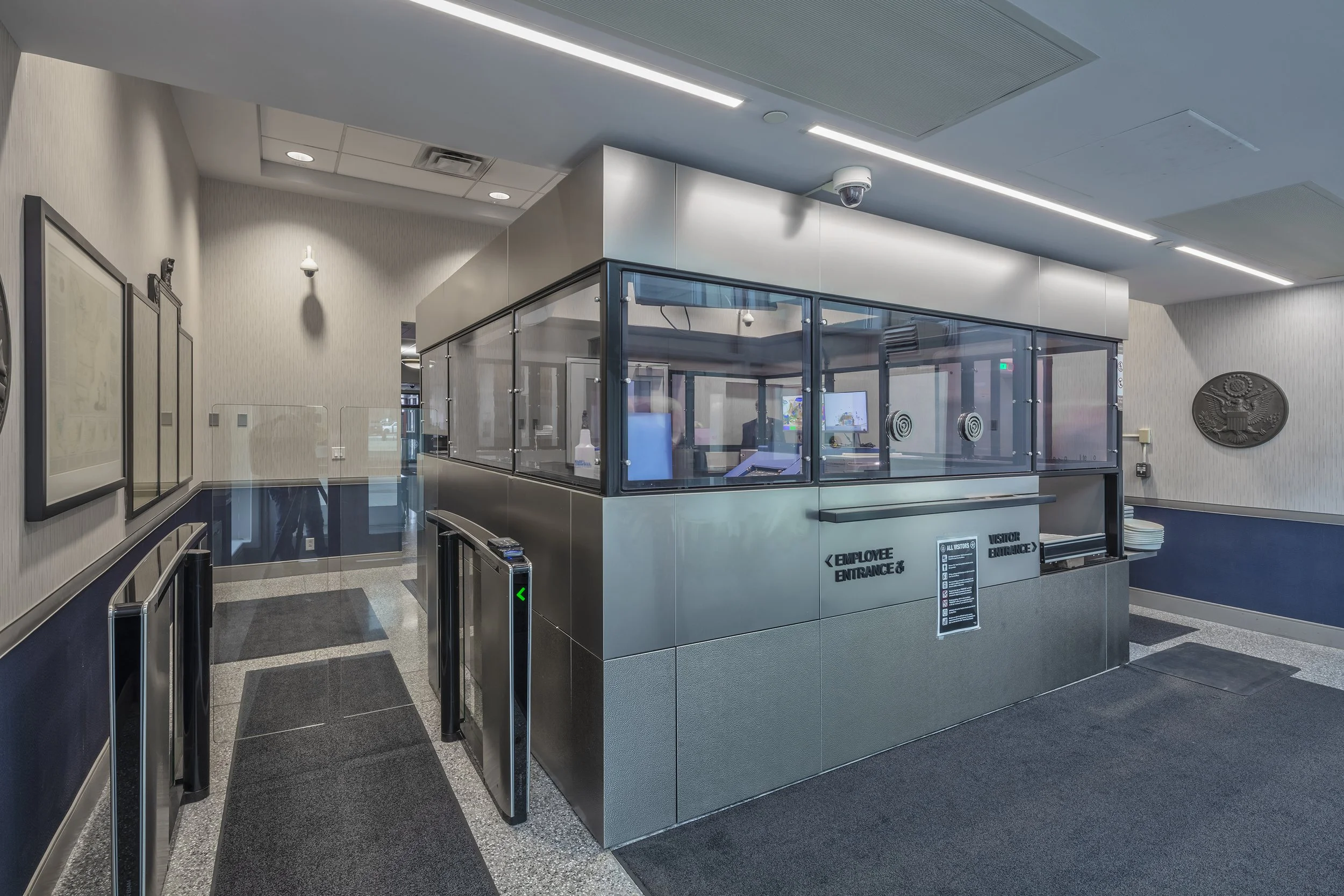
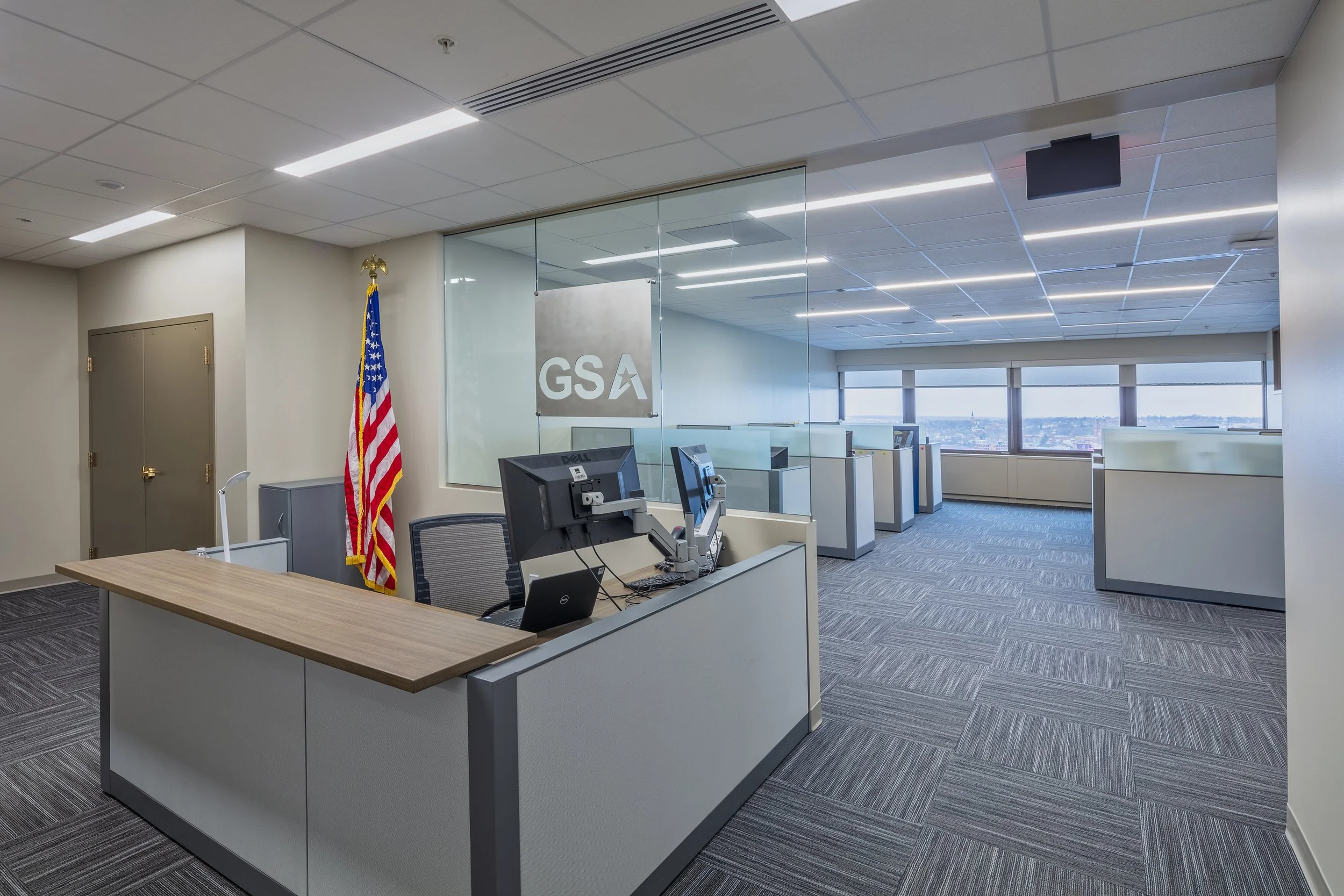
The new Veterans Benefits Agency office is a facility that provides assistance and services to veterans, including help with applying for benefits such as disability compensation, education assistance, and home loans. NKB’s design task was to bring dignity and clarity to the experience while reducing the friction inherent in an already stressful process. The strongest design tends to blend customer service strategy with trauma-informed and accessibility-driven architecture.
Design strategies included:
Clear, Low-Stress Arrival & Wayfinding
Privacy Without Isolation
Service Flow Efficiency (Back-of-House Matters)
Universal Accessibility Beyond ADA Minimums
Identity, Recognition & Respect
The result was a dynamic workplace that improved efficiency, encouraged public engagement, and earned positive feedback from its users.
Why Human Centered Design Matters
In my experience, the most successfully built environments are the ones shaped around the people who use them every day. Prioritizing people in design is not a style choice; it is a responsibility. When buildings are designed around their users, they become more than functional spaces. They become environments that inspire, support well-being, and enhance daily experiences.
Human-centered design also delivers measurable benefits, including improved productivity, occupant satisfaction, health, and social interaction. Integrating architecture, engineering, and interior design ensures that every decision contributes meaningfully to the human experience. It rises above aesthetics and technical metrics to focus on how spaces support well-being, productivity, and connection.
Designing for People First
Whether through new construction, renovation, or historic preservation, a people-first approach creates settings that are safe, functional, efficient, and genuinely enjoyable to use. Utilizing a mindset that prioritizes real human needs leads to environments that are intuitive, resilient, and able to evolve alongside the communities they serve.